November is when New York City and Long Island buildings switch over from cooling to heating, and it is usually the first time in months that heating modes, defrost cycles and freeze protection get a real test. Problems found now are easier to schedule than problems found during the first hard freeze. Here is how winter weather affects the equipment we install and service most, and what to look at before it gets cold.
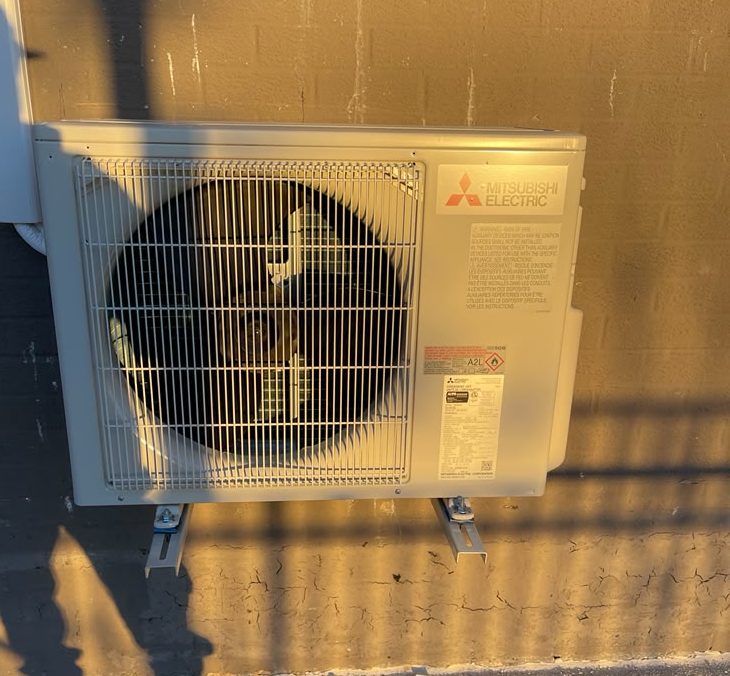
VRF / VRV systems and air-source heat pumps
In heating mode, the outdoor unit pulls heat out of cold outdoor air. When the outdoor coil gets cold and wet, frost builds up, and the system runs defrost cycles to clear it. That is normal: the unit may pause heating briefly and you may see steam or water coming off the coil. What matters is that the water can drain away and the airflow is not blocked.
- Keep outdoor units clear. Snow drifts, leaves, stored materials and plywood against a unit restrict airflow and can make heating capacity drop. Leave clearance on all sides the manufacturer calls for.
- Watch where defrost water goes. Meltwater that refreezes under a unit can build into ice that reaches the coil, or turn a sidewalk or roof walkway into a slip hazard. Units on raised stands or wall brackets, set above typical snow depth, handle this better than units sitting on the ground.
- Check snow and wind protection where it was designed in. Some installations use snow hoods, wind baffles or base pan heaters. If they were part of the original design, make sure they are still in place and working.
- Test heat mode before you need it. On a mild day, run each zone in heat and note any error codes, zones that will not come up to temperature, or indoor units dripping condensate.
More on planning these systems is in our VRF / VRV in NYC page and our VRF planning questions article.
Rooftop units
Rooftop units with gas heat or electric heat strips sit idle in heating mode for most of the summer. Before the season, a qualified technician should check the heating section, ignition and safeties, and the condition of the flue. From the building side, the most useful things to do are simple:
- Replace filters that loaded up over the cooling season.
- Make sure outdoor air dampers and economizers close properly, so cold air is not being pulled in when it should not be.
- Keep roof access paths and the area around the unit clear so a service call is not delayed by snow or ice.
Cooling towers
Most comfort-cooling towers in NYC are drained or set to standby for the winter, and that process is covered by NYC Health rules. Towers that keep running in winter need freeze protection on basins, makeup water and exposed piping. We cover what owners can check and what belongs with a qualified contractor in our cooling tower seasonal shutdown article.
Water-source heat pump loops
Buildings with water-source heat pumps rely on a shared water loop. In winter, the loop has to stay warm enough for the heat pumps to pull heat from it, usually with a boiler or other heat source adding heat while the tower is off. Things worth confirming before the cold:
- The loop heat source and its controls are working and set for the season.
- Any loop piping that runs through unheated spaces, mechanical rooms with outside air, or near the roof is insulated or otherwise protected from freezing.
- Loop pumps, strainers and any glycol or water treatment have been checked by whoever maintains the system.
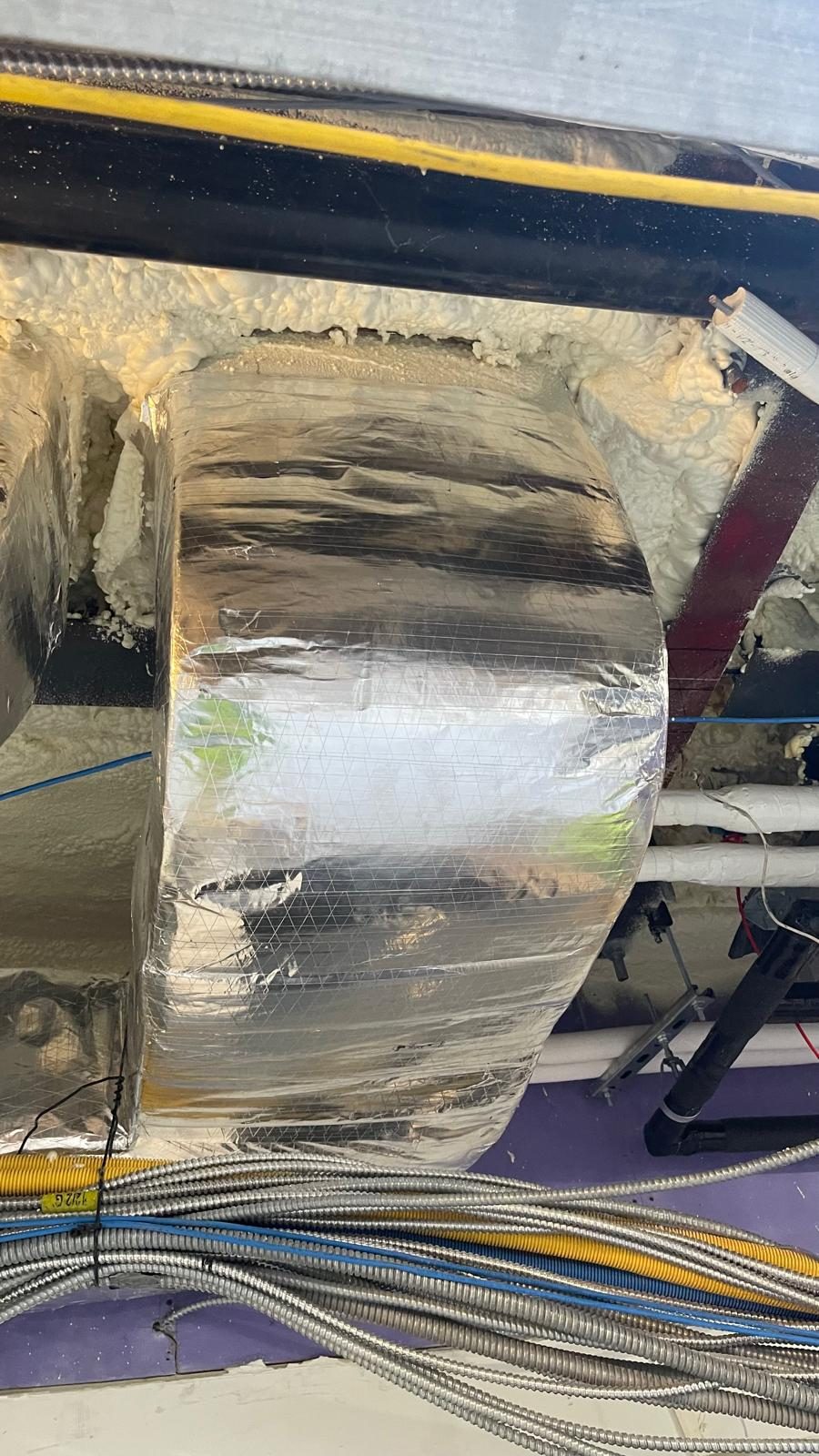
Ductwork and piping in cold spaces
Ducts and refrigerant or water piping that run through unheated areas lose heat and can collect condensation if insulation is damaged or missing. Winter is a good time to look for torn insulation, gaps at joints, and condensate lines that run outdoors or through cold spaces, where they can freeze and back up. See our ductwork and sheet metal and mechanical piping pages for the work we do.
Plan winter work now
If you are planning a VRF retrofit, a heat pump replacement, a cooling tower changeout, or new ductwork and piping, winter is a good time to get drawings priced and scheduled for spring. Superior HVAC works across Manhattan, Brooklyn, Queens, the Bronx, Staten Island and Long Island. Send your drawings or project details through Request a Quote or call (718) 616-8611.
Get in touch
Request a quote
Send drawings or tell us about your project. Bid invitations welcome.
(718) 616-8611Email[email protected]
Office102-40 221st St, Jamaica, NY 11429